
| Technical Ingredients in products |
Ingredient Name
Source |
| |
|
|
| |
|
| |
|
Alcohol denat. (Denatured alcohol)
|
|
Our alcohol is made from organic rye. It is denatured to make it undrinkable, but it is safe for external use. It helps mix oil- and water-based ingredients and it has a preservative action. |
|
Allantoin
|
|
Allantoin is the main active ingredient in the comfrey plant, which is renowned for its important role in tissue repair and growth. As an isolated ingredient, allantoin helps boost the skin-restorative and moisturising action of balms and lotions. |
|
Ammonium lauryl sulphate
|
|
Derived from coconut oil, we use this mild foaming agent and detergent in our shampoos. |
|
Apricot oil polyglyceryl 10 esters
|
|
Derived from apricot kernel oil, this plant-based dispersant is used in our organic bath oils to allow the oil blend to mix with the water. It also has a moisturising action. |
|
Ascorbyl palmitate
|
|
An antioxidant derived from ascorbic acid (vitamin C). It also replenishes the antioxidants in the skin which helps reduce wrinkles and damage to the skin caused by the sun. |
|
|
|
Beeswax (organic)
|
|
Beeswax is used to give texture to creams and balms, it also helps protect the skin from moisture loss. Our beeswax is from New Zealand and is certified organic.
|
|
Benzoic acid
|
|
Used in our shampoos as a preservative, benzoic acid hinders the growth of fungus, moulds and some bacteria.
|
|
Benzyl alcohol
|
|
Naturally occurring in jasmine, ylang ylang and rose oils, benzyl alcohol has preservative and solvent actions. We use a man-made version in some cleansers and moisturisers for preservation and to dissolve oil-based ingredients.
|
|
Benzyl cinnamate
|
|
Benzyl cinnamate occurs naturally in some essential oils we use, such as cinnamon, helichrysum and lemongrass. It is also found in benzoin resin.
|
|
Benzyl benzoate
|
|
Benzyl benzoate occurs naturally in ylang ylang essential oil, which we use in some of our products. It has a fixative action, helping to stabilise and maintain the blended fragrance in a product. Some people are sensitive to this constituent.
|
|
Benzyl salicylate
|
|
Benzyl salicylate occurs naturally in ylang ylang essential oil, which we use in some of our products.
|
|
Bisabolol
|
|
Naturally occurring in chamomile, bisabolol contributes to the plant’s anti-inflammatory action. Used as an isolated ingredient in our Chamomile Cleanser, it adds to the product’s anti-inflammatory and skin-soothing properties.
|
| |
|
|
|
Capric triglycerides
|
|
Derived from vegetable matter, capric triglycerides are in the form of a thin oil that works as a solvent for other oil-based ingredients. It is also a softening emollient that absorbs easily into the skin.
|
|
Cetearyl alcohol
|
|
Cetearyl alcohol is also known as emulsifying wax or cetyl stearyl alcohol. It can be animal-, vegetable-, or petrochemical-derived, but we choose to use a vegetable-derived source. It emulsifies and thickens products, and it has an emollient action.
|
|
Cetearyl glucoside
|
|
This is a type of emulsifying wax derived from coconut and corn. Only small amounts are needed for it to be effective in blending ingredients and smoothing the consistency of products. We use it in our moisturisers and sun screens.
|
|
Cetearyl olivate
|
|
Derived from olive oil, cetearyl olivate is an emulsifier that is often blended with sorbitan olivate. Together, these emulsifiers help mix oil- and water-based ingredients and help to give a product a luxurious, smooth feel.
|
|
Cetrimonium chloride
|
|
Cetrimonium chloride is in our conditioners. It is a cationic (positively charged) surfactant: it carries nourishing ingredients into the negatively charged broken hair shafts, and together they help repair the hair proteins. It also acts as a preservative.
|
|
Cetyl alcohol
|
|
Cetyl alcohol is a vegetable-derived emulsifier that helps to bind oil-based and water-based ingredients in our moisturisers. It also acts as a thickener, and its emollient action adds to the softening effect of the moisturisers.
|
|
Cinnamal
|
|
Cinnamal occurs naturally in some essential oils we use, such as cinnamon, lemon, lemongrass and petitgrain. Some people are sensitive to this constituent.
|
|
Cinnamyl alcohol
|
|
Cinnamyl alcohol occurs naturally in some essential oils we use, such as cinnamon. Some people are sensitive to this constituent.
|
|
Citral
|
|
Citral occurs naturally in some essential oils we use, such as bergamot, eucalyptus, geranium, ginger, grapefruit, lavandin, lime, litsea, orange, palmarosa and rose. It has a lemony scent. Some people are sensitive to this constituent.
|
|
Citric acid
|
|
Citric acid naturally occurs in the human body and also in plants, especially citrus fruits. We use it in our conditioners and gel-based bath products to help regulate their pH level and to gently preserve them.
|
|
Citronellol
|
|
Citronellol occurs naturally in some essential oils we use, such as basil, chamomile, coriander, eucalyptus, geranium, lemongrass, melissa, Roman chamomile, rose and tagetes. Some people are sensitive to this constituent.
|
|
Cocamidopropyl betaine
|
|
Derived from coconut oil, cocamidopropyl betaine is a mild surfactant and foaming agent that is used in some of our bath products.
|
|
Cocoa butter (organic & fair trade)
|
|
Cocoa butter is used for its deeply moisturising properties. All our cocoa butter is certified organic and from an approved Fair Trade project.
|
|
Coconut acid
|
|
Obtained from coconut oil, coconut acid acts as an emollient, emulsifier, moisturiser and surfactant.
|
|
Corn starch (organic)
|
|
We use organic corn starch as the base for our body powders because it is a gentle, safe, easily-metabolised alternative to mineral talc. We also use it as a thickener in some creams.
|
|
Coumarin
|
|
Coumarin occurs naturally in many plants, giving them a sweet clover smell. Some people are sensitive to this constituent.
|
|
Craeta praeparata Calcium carbonate
|
|
Naturally found in rocks, shells and limestone, this is the base and active ingredient in our toothpastes. It cleans and brightens the teeth without being harsh.
|
| |
|
|
|
Dead Sea salt
|
|
The cosmetic value of Dead Sea salts has been known since ancient times. High in minerals and trace elements, the salts are enriching and beneficial to the skin. The salts are invigorating as well as cleansing and refreshing.
|
|
Decyl glucoside Lauryl glucoside
|
|
Derived from corn, decyl glucoside is a mild surfactant that we use in our Baseline Bath & Shower Gel. It gently cleanses, together with cocamidopropyl betaine, another surfactant, as well as giving the product some preservative action.
|
|
D-limonene
Limonene
|
|
See limonene.
|
| |
|
|
|
Esculin
Aesculin
|
|
This naturally occurring constituent of the horse chestnut exhibits protection against UV rays. While not strong enough to be used in isolation as a sun-screening agent, it enhances the action of the UV absorbers and blockers in our sun range.
|
|
Ethylhexylmethoxycinnamate
|
|
An active ingredient in our sun products, this is a UV absorber that helps protect skin from the sun’s burning rays.
|
|
Eugenol
|
|
Eugenol occurs naturally in some essential oils we use, such as basil, bay, cinnamon, clove, lemongrass, palmarosa, petitgrain, rose, tagetes and ylang ylang. It has a pleasant, spicy aroma. Some people are sensitive to this constituent.
|
|
Farnesol
|
|
Farnesol occurs naturally in some essential oils we use, such as eucalyptus, lemongrass, neroli, palmarosa, rose and ylang ylang. It emphasises the aroma of other sweet, floral scents. Some people are sensitive to this constituent.
|
| |
|
|
|
Geraniol
|
|
Geraniol occurs naturally in some essential oils we use, such as chamomile, citronella, clary sage, coriander, geranium, ho leaf, lavandin, lavender, lemon, lemongrass, marjoram, neroli, Roman chamomile, rose, Spanish sage and ylang ylang. Some people are sensitive to this constituent.
|
|
Glycerin (organic / non organic)
Glycerin
|
|
Glycerin is a versatile ingredient with solvent and humectant properties. This means it helps dissolve ingredients, and helps both products and skin retain moisture. Our glycerin is derived from coconut and we use it in a range of products. We use both certified organic and non-organic glycerin. (Organic glycerin is not available in food grade at this time).
|
|
Glyceryl laurate
|
|
This is an emulsifier that we use in our Lemongrass Sun Lotion. It blends the oil- and water-based ingredients together.
|
|
Glyceryl stearate
|
|
Glyceryl stearate is formed from glycerin. We use it in our creams for its emulsifying action of blending water- and oil-based ingredients together. It has emollient and moisturising properties, so contributes to the smoothness of the creams.
|
| |
|
|
|
Hectorite
|
|
Hectorite is a mineral with the consistency of clay. It is used in cosmetics as a thickener and emulsifier. It helps keep water-based and oil-based ingredients in suspension. Products with hectorite need to be shaken before use.
|
|
Honey (organic)
Mel
|
|
Honey’s emollient action soothes and softens the skin. It is also antiseptic so it not only adds to a product’s preservative system, but it may also help to reduce microbial growth on the skin. All our honey is certified organic. The honey in our Sensual Jasmine range is certified organic and fair trade. The organic manuka honey from New Zealand in our Winter Warmer has an activity rating of 15 (Unique Manuka Factor).
|
| |
|
|
|
Isoeugenol
|
|
Isoeugenol occurs naturally in some essential oils we use, such as clove, lime, litsea and ylang ylang. It has a sweet scent like vanilla. Some people are sensitive to this constituent.
|
| |
|
|
|
Kaolin
China clay
|
|
Kaolin is a white, powdery clay that can absorb high quantities of moisture. Used in facial masks, kaolin helps draw impurities from the skin to provide a deep-cleansing and purifying action.
|
| |
|
|
|
Lanolin
|
|
Lanolin is prepared from an oily residue washed off the wool of living sheep. It has excellent emollient and thickening properties, so we use it to thicken our hair conditioners and some creams. It helps hair and skin retain moisture.
|
|
Lanolin alcohol
|
|
Lanolin alcohol is made from lanolin. It has emollient and thickening properties. We use it in Rose Body Cream, as it gives the product its rich, velvety texture. It also adds to the bright, glossy appearance of the cream.
|
|
Lauryl betaine
|
|
Lauryl betaine is a very mild detergent that we use in our gel-based products such as shampoos and foaming baths. When combined with other surfactants, it creates a milder formulation and reduces the possibility of irritation.
|
|
Lauryl glucoside
|
|
See decyl glucoside
|
|
Lecithin
|
|
Naturally occurring in the human body and plants such as soya, lecithin is a fat-soluble compound used in cosmetics as a thickener and emulsifier. We also use it in our moisturisers and creams for its emollient and antioxidant properties.
|
|
Levulinic acid
|
|
Levulinic acid occurs naturally in sugar cane and is derived from starches. It is a naturally occurring preservative, so inclusion of this ingredient in our creams and bath products means we don’t have to rely heavily on conventional preservatives.
|
|
Limonene
|
|
Limonene occurs naturally in many essential oils we use: bay, bergamot, black pepper, chamomile, cistus, citronella, clary sage, coriander, cypress, elemi, eucalyptus, frankincense, galbanum, geranium, ginger, grapefruit, helichrysum, ho leaf, juniper, lavandin, lavender, lemongrass, lime, litsea, mandarin, neroli, niaouli, orange, palmarosa, peppermint, petitgrain, pine, Roman chamomile, rosemary, Spanish sage, spearmint (garden mint), tagetes and tea tree. It smells like oranges and is used as a natural flavour in our toothpastes. Some people are sensitive to this constituent.
|
|
Linalool
|
|
Linalool occurs naturally in many essential oils we use: basil, bay, bergamot, black pepper, chamomile, cinnamon, cistus, citronella, clary sage, coriander, cypress, eucalyptus, geranium, ginger, helichrysum, ho leaf, lavandin, lavender, lemon, lime, litsea, mandarin, marjoram, neroli, niaouli, palmarosa, peppermint, petitgrain, pine, rose, rosemary, Spanish sage, spearmint (garden mint), tagetes, thyme, violet absolute, yarrow and ylang ylang. Some people are sensitive to this constituent.
|
| |
|
|
|
Magnesium carbonate
|
|
Magnesium carbonate absorbs moisture readily. In our body powders it absorbs moisture that would otherwise prevent the corn starch from flowing freely. We therefore use it as a flowing agent.
|
|
Montmorillonite Red clay
|
|
Montmorillonite, more commonly known as red clay, has been used in cosmetics for thousands of years, it is deeply absorptive and cleansing. It absorbs the skin’s oils and toxins, while its high mineral content improves the skin’s circulation and general health.
|
| |
|
|
|
Octyl palmitate
|
|
Octyl palmitate is used in our Avocado & Vitamin E Night Cream and Comfrey & Mallow Foot Balm for its rich, moisturising and softening capacity.
|
| |
|
|
|
Palmitoyl tripeptide-5
|
|
A bio-active derived from palmitic acid (from plant oils) combined with animo acids to helps to stimulate collagen formation.
|
|
Panthenol
|
|
Panthenol is a precursor to vitamin B5, which means it is converted into this vitamin when absorbed by the body. It encourages cell growth and is moisturising, which is why we add it to some of our cleansers and lotions.
|
|
Parfum
|
|
‘Parfum’ indicates a mixture of aromatic ingredients that are designed to fragrance a product. Our products are fragranced only by pure essential oils only. We prefer to list all our ingredients, so you only see 'parfum' in a couple of cases where we are restricted by the amount of space on our labels.
|
|
Peach powder
|
|
A natural exfoliant made from the pith of the peach.
|
|
Peg-40 hydrogenated castor oil
|
|
This is an emollient that is softening and lubricating to the skin. It is made from a blend of polyethylene glycol (PEG) and castor oil. It also acts as a preservative.
|
|
Phenoxyethanol
|
|
Phenoxyethanol is a preservative. It is particularly effective at protecting water-based products, such as moisturisers, from bacterial contamination. It is mild enough to be used safely on the skin.
|
|
Polysorbate-20
|
|
Polysorbate-20 is a viscous liquid that we use in our flower waters and shampoos to help emulsify and stabilise these water- and oil-based formulations.
|
|
Polysorbate-60
|
|
Polysorbate-60 is used in some of our cream cleansers and moisturisers for its emulsifying action. It helps to bind and stabilise our water-based ingredients with our oil-based ingredients.
|
|
Potassium sorbate
|
|
Potassium sorbate is used widely in the food and cosmetics industry as a preservative. We add it to many of our moisturisers and hair care products to give them a gentle preservative system that guards against yeasts, moulds and fungi.
|
|
Propolis extract (organic)
|
|
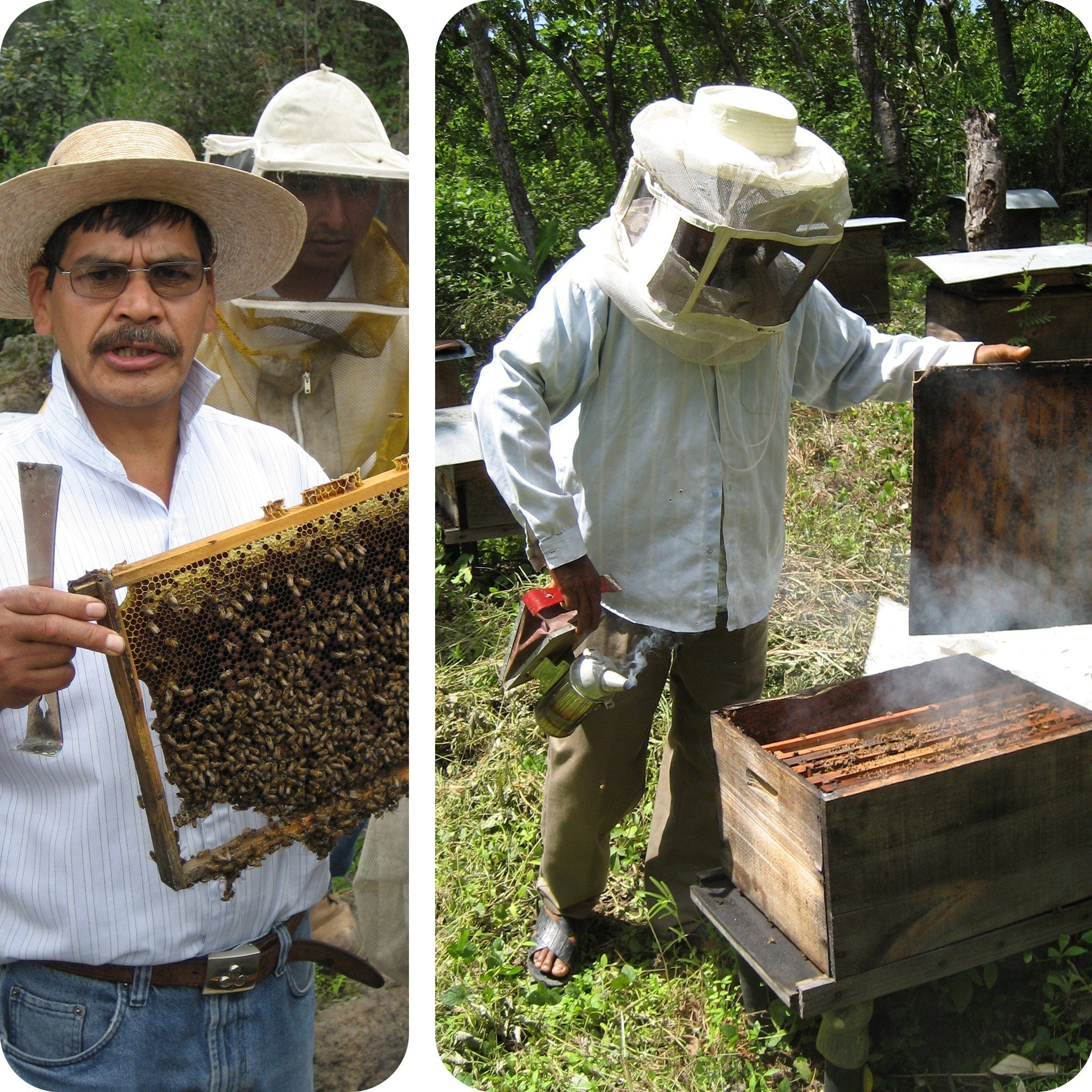
Propolis is produced by bees from a resinous substance collected from trees. It is used to protect the hive. Its antimicrobial action makes it useful in cosmetics as it helps to protect and repair the skin. All our propolis is certified organic.
|
|
Pumice powder
|
|
Obtained from porous volcanic rock, we use pumice powder in our Pumice Foot Scrub and Seaweed Salt Scrub for its gently abrasive cleansing action. It helps to remove dead or hardened skin, cleansing and softening at the same time.
|
|
Pure sea salt
|
|
Sourced from French salt marshes, we use pure sea salt in our Lavender Bath Salts. Sea salt is rich in minerals and is antiseptic and cleansing. It is deeply relaxing and helps to loosen muscles and refresh the skin.
|
| |
|
|
|
Sclerotium gum
|
|
Sclerotium gum is obtained from the fungus Sclerotium rolfsii. It is a natural thickener that promotes hydration of the skin and the product itself. It also helps to stabilise the emulsion of other ingredients in a product.
|
|
Shea butter (organic)
Butyrospermum parkii
|
|
The butter produced from the nut of the African Karite tree has been long used for its superior moisturising properties. Our shea nut butter is produced in Ghana and is certified organic.
|
|
Sodium castorate
|
|
Sodium castorate is the soap created from castor oil when it is mixed with sodium hydroxide. It cleans and soothes, and provides a waterproof coating on the skin so it doesn’t dry out. It is in our Citrus Hand Wash.
|
|
Sodium citrate
|
|
Sodium citrate is a salt derived from citric acid. It has a preservative action, and as a buffer, it helps regulate acidity in products. It is commonly used in the food and cosmetics industry.
|
|
Sodium cocoate
|
|
Sodium cocoate is the soap created from coconut oil when it is mixed with sodium hydroxide. It gives a good lather and cleanses without being harsh. It forms the base of many of our soaps, along with sodium palmate.
|
|
Sodium hyaluronate
|
|
Sodium hyaluronate is found naturally in the body. It boosts skin moisture levels and smoothes out wrinkles to give the skin a soft finish. It is also a gelling agent that keeps ingredients together and to refine a product’s texture.
|
|
Sodium hydroxide
Caustic soda lye
|
|
Sodium hydroxide’s main use is in the formation of soap, when it is usually combined with palm oil or coconut oil.
|
|
Sodium lauroyl sarcosinate
|
|
This is a mild foaming and cleansing agent which effectively removes surface oil, dirt and bacteria from the skin or hair.
|
|
Sodium methyl coco taurate Sodium methyl cocoyl taurate
|
|
This is in our Seaweed & Arnica Foaming Bath for its foaming and cleansing actions. It is fairly mild but its combination with lauryl betaine makes it even milder. It is derived from coconut and taurine, an amino acid.
|
|
Sodium palmate
|
|
Sodium palmate is the soap created from palm oil when it is mixed with sodium hydroxide. It lathers and cleanses well without being harsh. It forms the base of many of our soaps, along with sodium cocoate.
|
|
Sodium usnate
|
|
An extract derived from lichen, it is used in our deodorants for its antibacterial properties.
|
|
Sorbitan olivate
|
|
Derived from olive oil, sorbitan olivate is an emulsifier that is often blended with cetearyl olivate. Together, these emulsifiers help mix oil- and water-based ingredients and help to give a product a luxurious, smooth feel.
|
|
Sorbitan stearate
|
|
Sorbitan stearate is an emulsifier that we use in many of our moisturisers and bath oils. It helps blend water- and oil-based ingredients; in particular it solubilises essential oils in water.
|
|
Stearic acid
|
|
Stearic acid, derived from coconut or palm oil, is in our Red Clay Shaving Gel to emulsify the ingredients and give the product a smooth finish. It also helps to soften the skin and hair, which lessens skin aggravation.
|
|
Sucrose distearate
|
|
Sucrose distearate is formed from sugar and stearic acid, a natural fatty acid derived form coconut or palm oil. It is an emulsifier and is used in our After Shave Balm to blend the essential oils with the water-based ingredients.
|
|
Sucrose stearate
|
|
Sucrose stearate is formed from sugar and stearic acid. It is not as strong an emulsifer as sucrose distearate, but it is used in some of our lighter moisturisers to help mix the ingredients together.
|
| |
|
|
|
Tocopherol
Vitamin E
|
|
Tocopherol is vitamin E, which is extracted from vegetable oils. It exhibits antioxidant activity, which means it not only preserves the products that it is in, but it also can help to give some antioxidants and nourishment to the skin.
|
|
Tocopheryl acetate
Tocopherol acetate
|
|
Tocopheryl acetate is a thick, oily liquid that is derived from tocopherol, or vitamin E. It is very nourishing and protects the skin from harmful environmental effects with its anti.
|
| |
|
|
|
Water (Aqua)
|
|
Water is an essential component for healthy looking skin and hair, as it cleans and moisturises. It is also necessary to dissolve water-soluble ingredients in a product and therefore forms the base of many of them.
|
| |
|
|
|
Xanthan gum
|
|
Xanthan gum is derived from corn. It is a mild thickener, emulsifier and stabiliser that we use in many of our products to enhance their consistency.
|
| |
|
|
|
Zinc oxide CI77947
|
|
Zinc oxide is insoluble in water, forming a protective barrier when applied to the skin. In our sunscreens it increases water-resistance and protection from UV rays. In Baby Barrier it is used for its mildly astringent, antiseptic and water-resistant properties. |